+86-15625700408
- All
- Product Name
- Product Keyword
- Product Model
- Product Summary
- Product Description
- Multi Field Search

Views: 0 Author: Site Editor Publish Time: 2026-05-15 Origin: Site


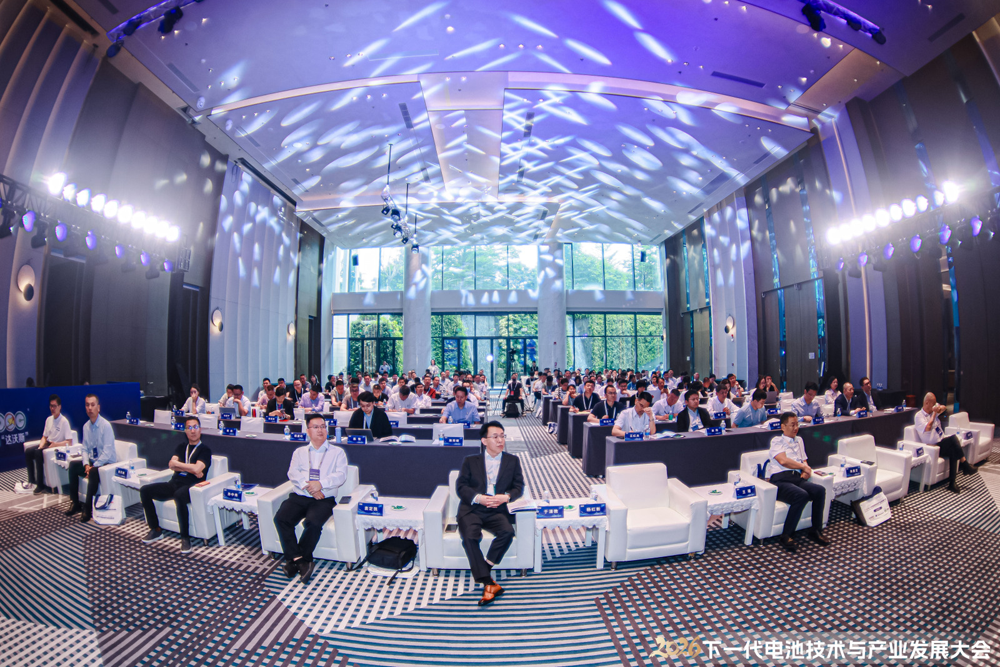
The 2026 Conference on Next-Generation Battery Technology and Industry Development
As the global energy transition enters the deep waters, battery technology innovation has become the key to reshaping the competitive landscape of the industry. The diversified development of liquid lithium batteries, solid-state batteries, and sodium batteries is driving the industry into a golden period of technological iteration and value growth.
Our country's battery industry has firmly established a global competitive barrier through forward-looking planning and core advantages. Liquid lithium batteries have built an industrial system covering the entire chain and possessing global competitiveness, with global leadership in terms of production capacity, shipment volume and comprehensive strength. At the same time, it is accelerating breakthroughs in next-generation battery technologies. Semi-solid batteries have achieved gigawatt-hour-level production capacity and market orders are accelerating to be fulfilled. The industrialization of all-solid-state batteries is approaching, and sodium batteries, relying on mature technologies and a complete industrial chain, are rapidly expanding into multiple application scenarios such as energy storage and power, opening up new growth spaces.
To promote the maturity and commercialization of the next-generation battery technology, on May 12th, the "2026 Next-Generation Battery Technology and Industry Development Conference" was inaugurated in Shenzhen, jointly organized by the ABEC Committee, the Zhongguancun New Battery Technology Innovation Alliance, and Battery Network. The conference brought together top experts from the fields of global research, education, and industry, focusing on the two cutting-edge tracks of solid-state batteries and sodium batteries. It deeply discussed the breakthroughs and industrialization paths of high-energy-density and high-safety solid-state battery technology, as well as the application potential of sodium batteries with abundant resources and significant cost advantages in large-scale energy storage and electric vehicles. It also deepened the collaborative cooperation among upstream and downstream of the industry chain and jointly built a prosperous new ecosystem for the next-generation battery industry.
Consensus on the phased commercialization of solid-state batteries has been reached.
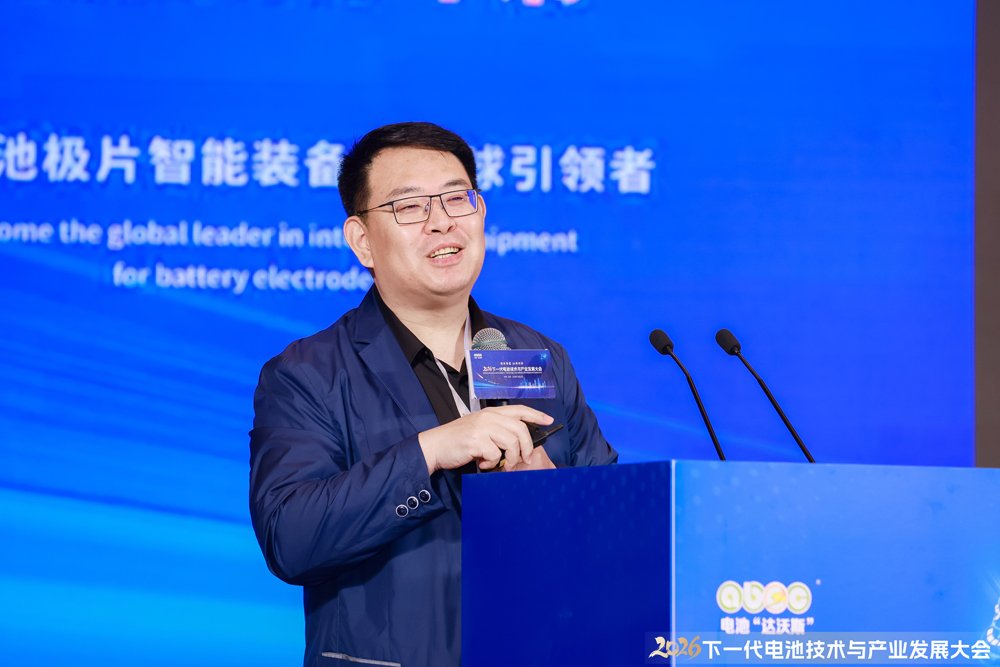
Zhu Xingbao, the chief scientist of Guoxuan Gaoke Co., Ltd.
In terms of application scenarios, the mainstream view is that sulfide all-solid-state batteries are primarily used in electric vehicles, with scale driving down costs. At the meeting, Zhu Xingbao, the chief scientist of Goxuan High-tech Co., Ltd. (002074), expressed a different opinion: "Based on actual research and manufacturing experience, during the production of small-capacity cells, the yield is relatively high and the battery performance is good. However, if scaled up to large-capacity cells, internal defects will be exponentially magnified, leading to a significant decline in yield and reliability. Therefore, whether we should directly pursue the application of large cells on vehicles requires careful consideration."
Zhu Xingbao pointed out that sulfide all-solid-state batteries should prioritize applications in specific scenarios where the demand for capacity is relatively low, but the requirements for safety and energy density are high. Such applications should be implemented on a small scale first. Through this approach, the technology can regain its vitality first, providing a survival space for subsequent research and industrialization.
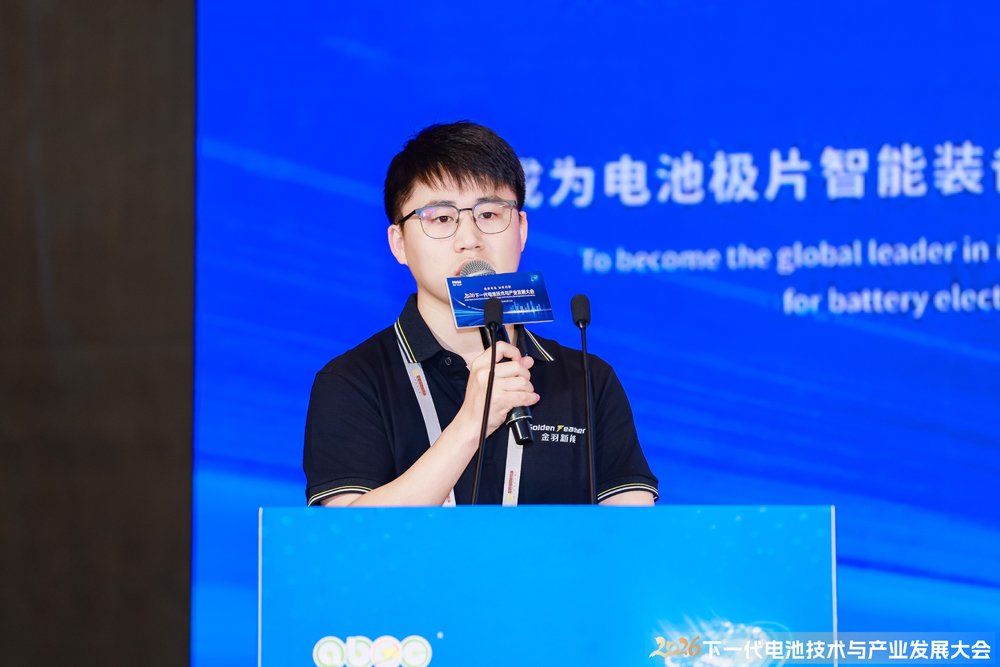
Yang Yang, the vice president of research and development at Zhejiang Jin Yu New Energy Technology Co., Ltd.
"Compared with liquid batteries, solid-state batteries not only have inherent safety, but also possess potential advantages such as a higher energy density limit and a more compact structural design." Yang Yang, the vice president of R&D at Zhejiang Jin Yu New Energy Technology Co., Ltd., also emphasized that although solid-state batteries have significant advantages and the research and industrialization progress is rapid, their practical application still faces multiple challenges.
Based on the above considerations, Yang Yang stated that domestic enterprises generally follow a market-driven approach, focusing on the development of semi-solid battery routes that can be mass-produced. This route has high compatibility with existing pouch production lines and is easy to switch, making it suitable for rapid volume production. By gradually reducing the amount of electrolyte, the transition from semi-solid to almost all-solid can be achieved.
Yuan Dingkai, the chairman of Yunshan Power (Ningbo) Co., Ltd.
As the technology of cylindrical batteries is advancing rapidly, the inherent bottlenecks of liquid batteries have become increasingly prominent: high risk of thermal runaway, energy density approaching the theoretical limit, and constraints on large-scale development due to cost and environmental protection pressures. Yuan Dingkai, the chairman of Yunshan Power (Ningbo) Co., Ltd., believes that breaking through these bottlenecks, solid-liquid batteries have become the optimal solution at the current stage of technology.
Yuan Dingkai stated that the solid-liquid battery is a key transitional technology from liquid batteries to all-solid-state batteries. It is expected that the full-solid-state battery demonstration line will be officially launched in 2027. With the improvement of solid-liquid battery technology, by leveraging the inherent structural advantages of stacked large cylindrical batteries and applying the solid-liquid mixed electrolyte technology to large cylindrical batteries, it can provide comprehensive empowerment in terms of safety, performance, and manufacturing, generating a significant "1+1>2" synergy effect.
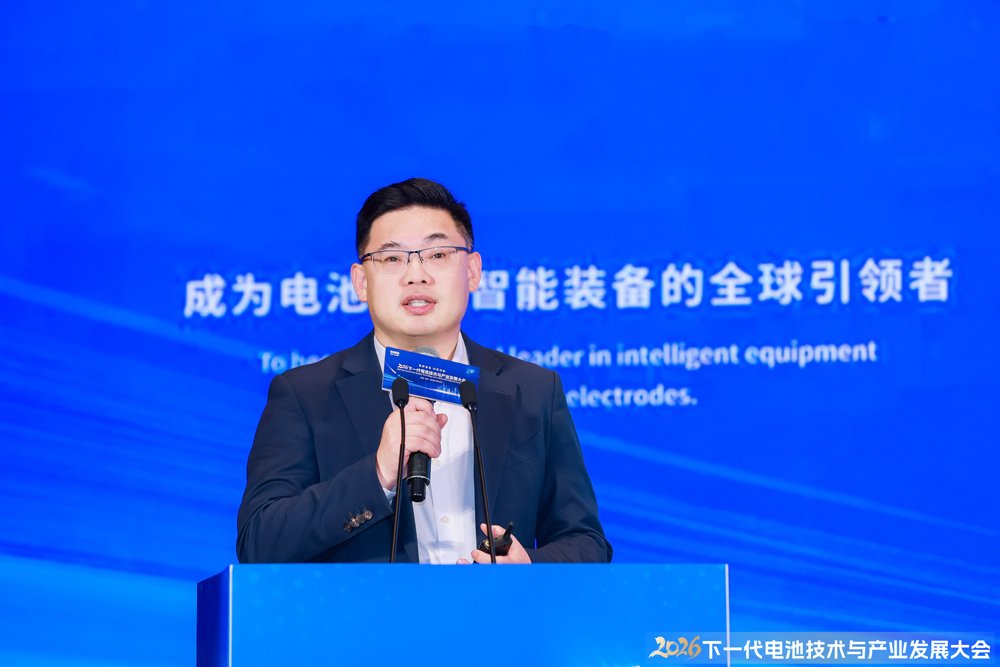
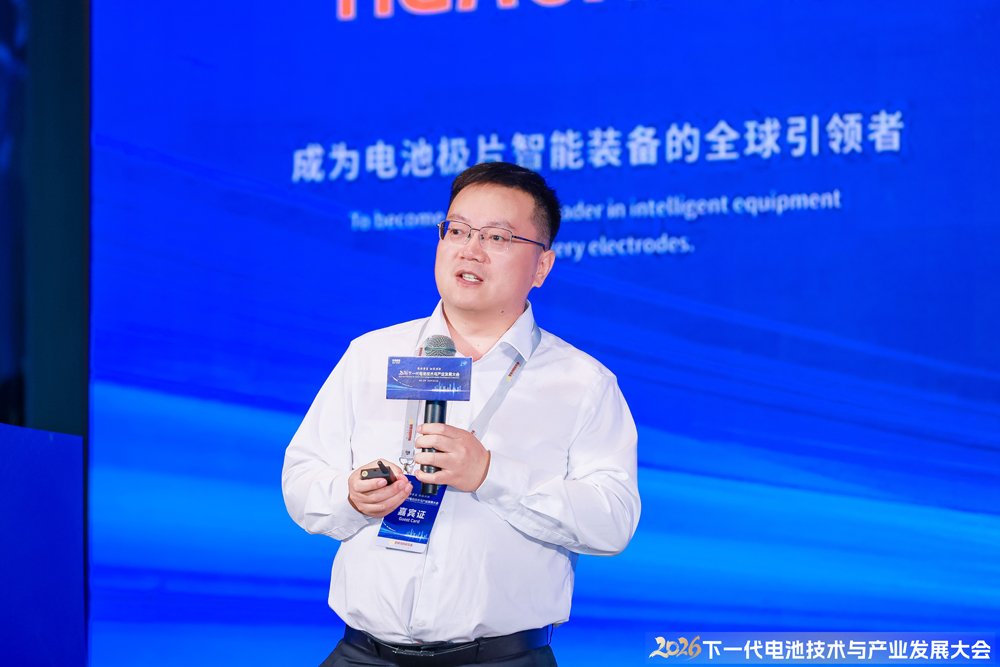
Yang Hongxin, Chairman and CEO of Hikvision Energy Technology Co., Ltd.
Currently, in the battery field, the liquid and mixed solid-liquid multi-system routes have coexisted for a long time, and the all-solid-state route will ultimately prevail in the long run. Yang Hongxin, the chairman and CEO of Haidou Energy Technology Co., Ltd., made a prediction from the market application perspective. In the short term, liquid batteries remain the absolute mainstream, among which lithium iron phosphate and lithium cobalt oxide will still be the mainstream systems in the next five years; in the medium term, there will be small-scale penetration of mixed solid-liquid, and mixed solid-liquid is an important stage for the development of lithium cobalt oxide; 2026 will be the first year of mass production of mixed solid-liquid, and it will be mass-produced in high-performance scenarios such as low-altitude/high-end passenger vehicles in 2030; in the long term, the direction is all-solid-state batteries. It is expected that demonstration installations will start in 2027, mass production will occur in high-performance scenarios in 2030, and commercialization will be expanded in other fields in 2035.
Looking ahead to the next two years, Yang Hongxin, from a global perspective, believes that hybrid solid-liquid batteries are not a transitional technology but will become the mainstream technology in the long run. In contrast, all-solid-state batteries will still struggle to achieve cost advantages by 2035 and will have an extremely low market share.
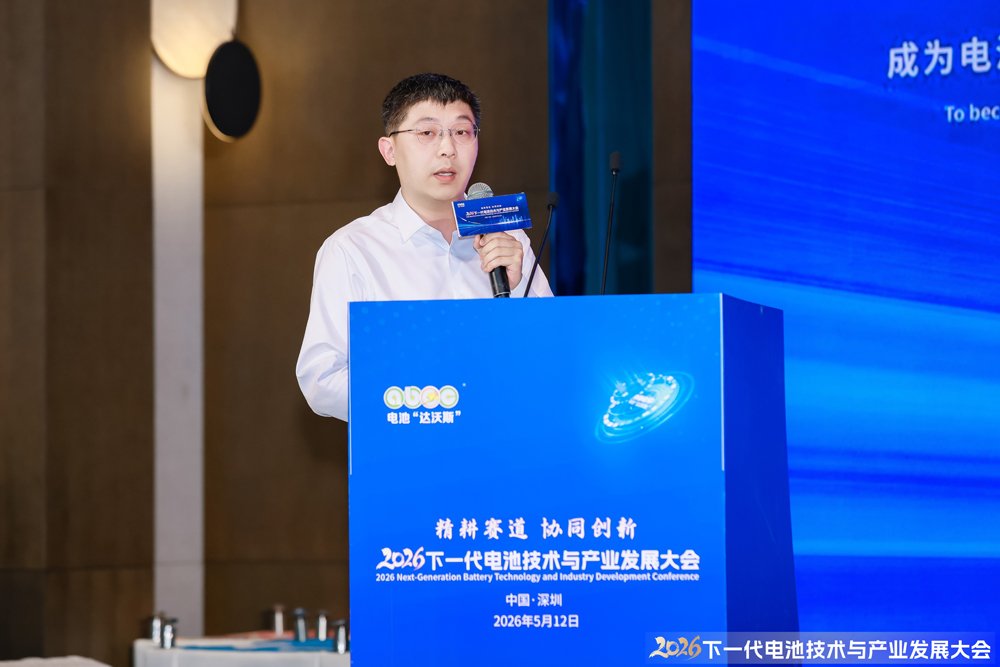
Yang Yue, the head of solid electrolyte research and development at Kunlun New Energy Materials Technology (Yichang) Co., Ltd.
In terms of materials, all-solid-state electrolyte lithium batteries are widely regarded as the core direction of the next-generation battery technology, and their advantages are particularly prominent: Firstly, they have higher energy density, thanks to the dense stacking structure and the application of lithium metal anode; Secondly, their safety has been significantly improved, as the solid electrolyte itself is non-flammable; Thirdly, individual cells can be directly boosted in an internal series connection manner, thereby optimizing the design of battery packs; Fourthly, the system design has been greatly simplified, with the vehicle only needing to focus on thermal balance issues. Yang Yue, the director of solid-state electrolyte research and a PhD at Kunlun New Energy Materials Technology (Yichang) Co., Ltd., stated that these characteristics make all-solid-state batteries have great application potential in power batteries and high-end energy storage fields.
Research institute EVTank predicts that half-solid batteries will be installed in vehicles gradually in 2026, and full-solid batteries will gradually enter the stage of small-scale mass production starting from 2027. In the future, the shipment volume of solid electrolytes will also increase along with the expansion of the scale of solid batteries. It is expected that the global shipment volume of solid electrolytes will reach 229,000 tons by 2030, with a CAGR (2025 - 2030) exceeding 120%. This rapid growth trend undoubtedly provides broad market opportunities for leading players in the solid battery sector such as Kunlun New Materials.


